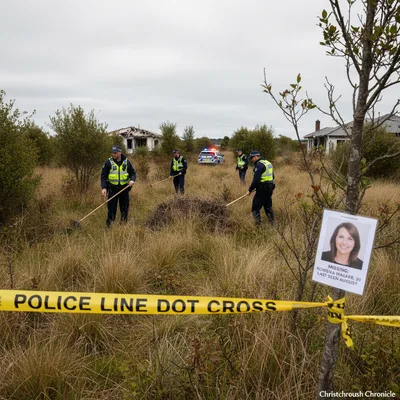
Police have dealt a significant blow to organised crime in Christchurch, arresting four men and seizing more than 1000 cannabis plants valued at over $1.1 million from a Waltham property earlier this week.
The raid, which was the result of a targeted search warrant, uncovered what authorities have described as a commercial-scale cannabis growing operation. The four men found at the address, aged between 37 and 39, were arrested and have since appeared in court. They face serious charges, including possession of cannabis for supply, cultivation of cannabis, and participating in an organised criminal group.
The operation is part of a wider, ongoing police investigation aimed at dismantling large-scale illicit drug production and distribution networks in the region. Authorities have indicated that the investigation is active and that more arrests could be made as they follow further lines of enquiry.
Police vow to crush organised crime
Detective Senior Sergeant Tania Jellyman of the New Zealand Police said the force would not tolerate this kind of organised criminal activity and its corrosive effects on the community.
By locating and seizing these cannabis plants we have prevented them receiving payment that would have gone to fund a range of organised criminal activity in our community. We will continue to target illicit drug operations on commercial scales such as this, as we see the harm it causes and the impact it has within our community every day.
The charge of participating in an organised criminal group suggests police believe the Waltham operation was not an isolated venture, but part of a structured network. Such groups are a major focus for law enforcement, as profits from large-scale drug cultivation are often used to finance other illegal activities, such as the importation of harder drugs, weapons trafficking, and money laundering. This significant seizure in Waltham removes a substantial source of funding from that illicit ecosystem.
The bust comes as police continue to apply pressure on criminal networks across Christchurch. It follows other major investigations, including the high-profile Operation Aurora, which saw a religious leader arrested on serious sex charges, demonstrating a broad and sustained effort to disrupt complex criminal enterprises in the city.

A sophisticated operation amid a complex drug landscape
An operation involving over 1000 plants points to a high level of sophistication. Commercial-scale cannabis cultivation typically requires extensive hydroponic systems, high-powered lighting, ventilation to manage heat and odour, and a dedicated power supply, often illegally diverted from the mains. These are not amateur setups, but carefully planned criminal enterprises designed for maximum yield and profit.
This bust highlights the persistent challenge posed by the illegal drug trade, which runs counter to the city's otherwise positive growth trajectory. While organisations like ChristchurchNZ are working to secure millions in investment to boost the local economy and create jobs, a criminal underbelly continues to operate, creating social harm and diverting resources.
The legal status of cannabis in New Zealand remains a subject of ongoing public and political debate. While medicinal cannabis is available under prescription, its production and supply are tightly regulated. The black market, as evidenced by the Waltham raid, continues to thrive by exploiting demand outside the legal framework. According to the New Zealand Police, organised crime is deeply embedded in the production and supply of cannabis, using it as a primary domestic money-earner.
Nationally, there are concerns about various pressures on communities, with some analysts suggesting economic instability can fuel participation in black market economies. Broader economic challenges, such as those that led to a recent government appeal for Kiwis to help identify fuel bottlenecks, can sometimes correlate with a rise in illicit activities as individuals seek alternative sources of income.
Community vigilance is key
Police have acknowledged the crucial role that public information plays in uncovering operations of this nature. They have encouraged residents to remain vigilant and report any suspicious behaviour that might indicate an illegal growing operation or other criminal activity.
Signs of a commercial cannabis grow house can include constantly covered or blacked-out windows, a strong and unusual "skunky" smell, strange humming noises from fans and lights, and an unusual pattern of visitors at odd hours. Police rely on this community intelligence to build cases and execute targeted warrants like the one in Waltham.
Detective Senior Sergeant Jellyman's investigation will continue, with the evidence gathered at the Waltham property being key to potentially identifying a wider network. As the case progresses through the courts, more details may emerge about the scale of the group's activities and the destination of the profits from their illegal trade.