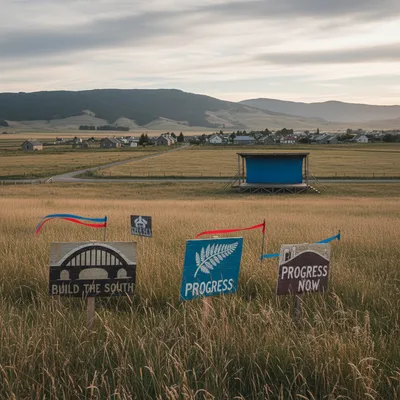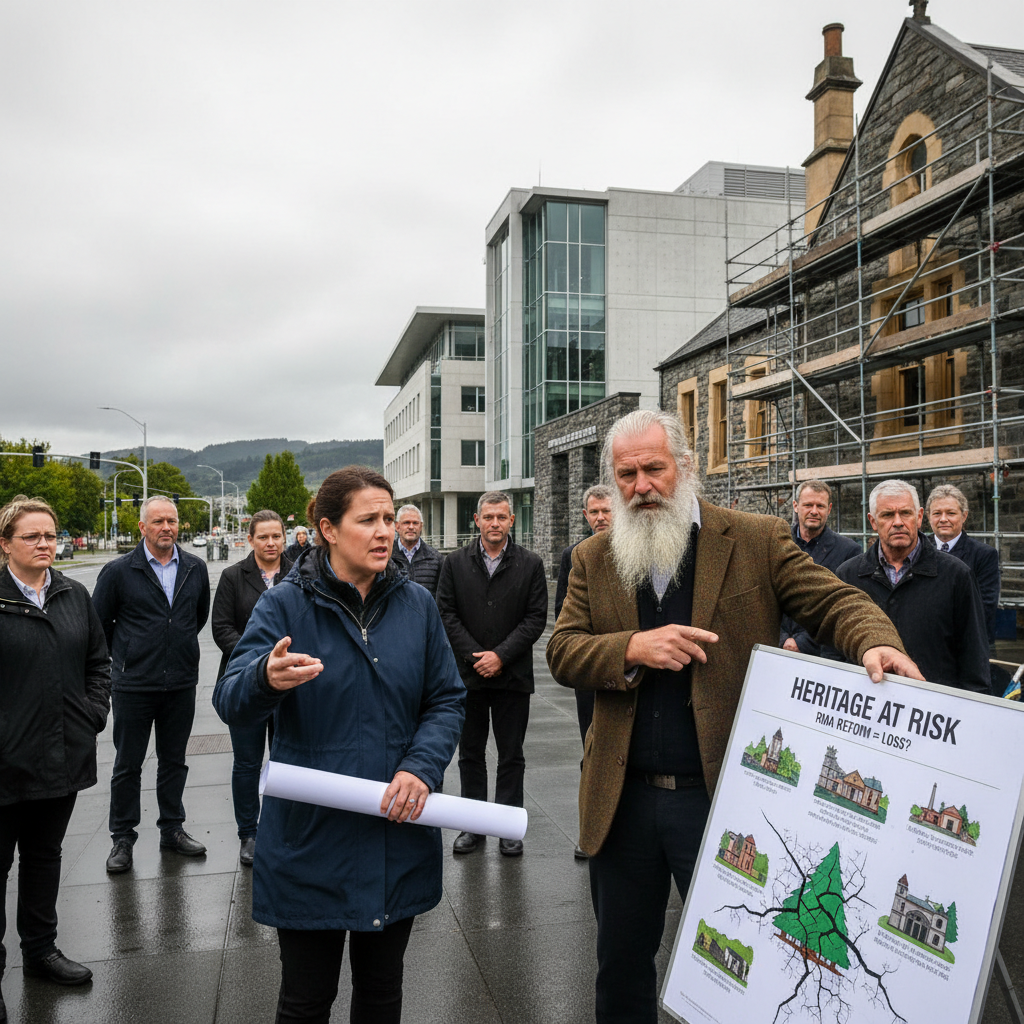
The Christchurch City Council has issued a stark warning that proposed changes to resource management law could force it to abandon the protection of the city’s most significant natural and historical sites because it cannot afford to pay for them.
As part of the government’s major overhaul of the Resource Management Act (RMA), a new compensation scheme is on the table. The proposal would require councils to pay private landowners if their ability to develop property is restricted to protect areas of high environmental or heritage value. This compensation could come in the form of cash payments, land swaps, or other forms of relief, paid for by ratepayers.
The government, led by RMA Reform Minister Chris Bishop, intends for the changes to streamline development and put an end to what he calls a 'culture of no'. He previously cited the expensive, 18-month redesign of a neo-Georgian apartment building in Christchurch’s Arts Precinct as the 'sort of nonsense' the reforms aim to solve after developers clashed with council expectations.
However, the council says the financial implications of the compensation scheme are unworkable, describing it in its February feedback on the proposal as a “poorly conceived and unfunded mandate”.
'Unfunded mandate' creates impossible choice
In its submission, the Christchurch City Council expressed deep concern about the proposal. The council has a legal obligation under existing law to identify and protect important areas from inappropriate development. It warned that if the compensation scheme is enacted, it could face an impossible choice: pay landowners for protections the city cannot afford, or allow development to proceed, resulting in the irreversible loss of treasured landscapes and buildings.
The council noted this financial pressure is compounded by the government's foreshadowed cap on rates, which would further limit its ability to fund compensation payments. The submission also highlighted the “significant costs” required to implement the wider planning changes, arguing that local authorities lack the resources and technical experts to meet the proposed deadlines.
These concerns are not unique to Christchurch. Auckland Council voiced similar fears during its submission to Parliament’s select committee in March. Other councils across the country have echoed the sentiment, creating what Green MP and environment committee member Lan Pham described as “a united chorus just saying, do not do this to us.”
The government plans to establish a new Planning Tribunal to resolve disputes over compensation, but the Christchurch council anticipates this will lead to “extensive litigation”, adding another layer of cost for ratepayers to bear.
A 'perverse disincentive' for protection
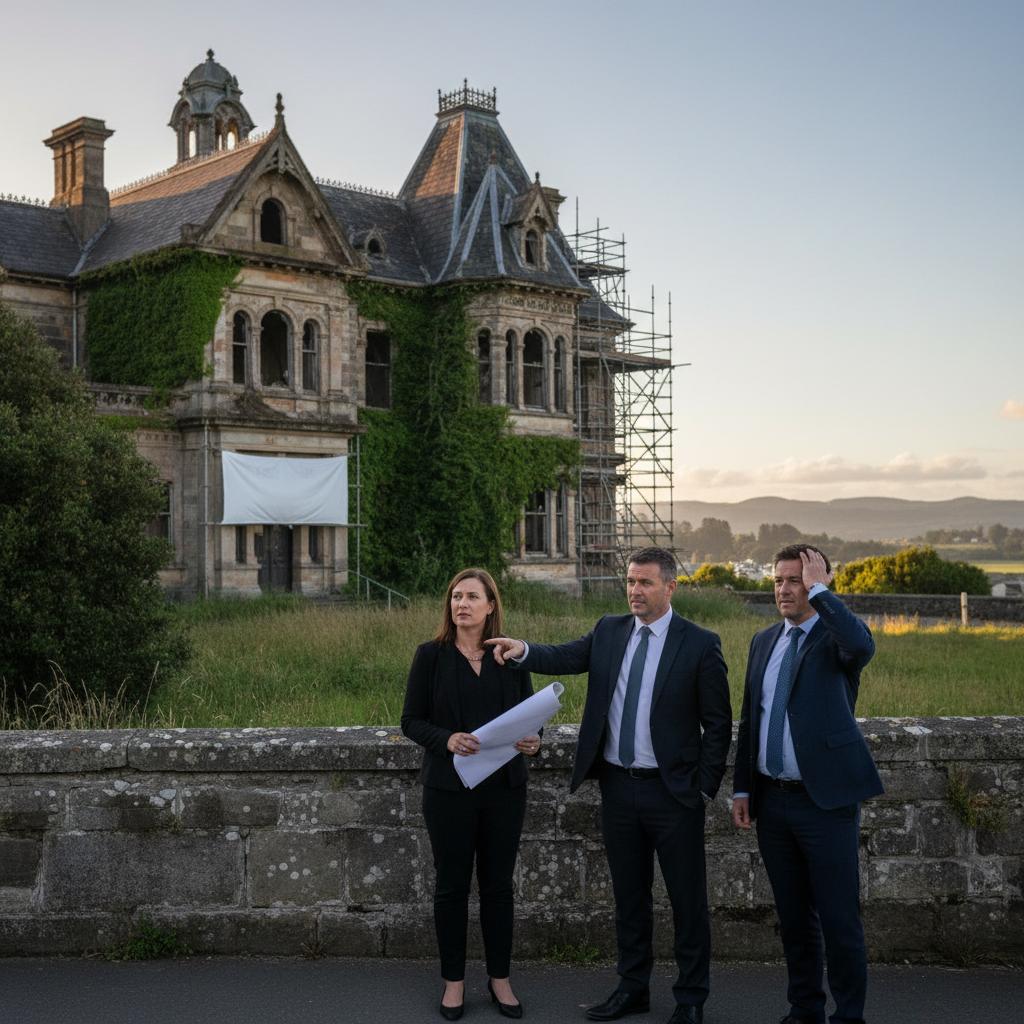
The compensation requirement could be triggered for land that includes significant historic heritage, sites of significance to Māori, outstanding natural features or landscapes, high levels of indigenous biodiversity, and protected coastal areas. The rule would apply to all privately held land, including property in coastal and marine areas.
Act MP Simon Court, who helped develop the new bills, has argued that if a restriction on private land is truly valuable to the community, councils should have little trouble convincing ratepayers to fund it. However, critics argue the opposite will occur.
Green MP Lan Pham said the relief system would act as a “perverse disincentive” for councils to identify and protect biodiversity, particularly when effective alternatives like Queen Elizabeth II covenants already exist.
This view is shared by heritage advocates, who fear the potential financial liability will have a chilling effect on their work. In a recent column, architectural historian Ian Lochhead said the proposal would be devastating for the preservation of our built history.
It is not hard to imagine that cash-strapped councils will simply abandon heritage listings in the face of ongoing claims for compensation. Downgrading the place of heritage in the planning system will ultimately lead to a downgrading of society itself.
Heritage protection power 'rarely used'
Heritage New Zealand Pouhere Taonga already operates under a similar constraint. The organisation has the power to issue heritage orders to protect significant sites, but this can make it liable for compensation. Richard Barrett, Heritage NZ’s director of organisational development, said this financial liability has to be “carefully considered” before acting.
As a result, the power is used “very rarely and only in exceptional circumstances”, with just 16 heritage orders currently in place across the country. Mr Barrett said that while Heritage NZ supports protecting property owners' rights, it is concerned the proposed framework is “misaligned” with the country’s heritage protection responsibilities.
The debate comes as Christchurch continues to grapple with the balance between growth and preservation. The rising cost of major infrastructure projects, such as the Akaroa wastewater scheme</a>, already places significant strain on council budgets, raising questions about where funding for a new compensation scheme would come from, an issue also being examined in plans such as the University of Otago campus master plan.
In its submission, the council acknowledged the benefits of giving landowners more freedom, but it also pointed to the “real risk” to the rights of neighbours and the wider community’s enjoyment of their environment. It has asked for more time to transition to the new system, which is expected to pass into law in 2026 and <a href="https://www.rnz.co.nz/news/political/581305/five-things-you-need-to-know-about-the-rma-replacements">become operational by 2029.
“This is a once-in-a-generation opportunity, and it’s necessary to ensure the legislation will deliver for the well-being of present and future generations,” the council's submission stated.