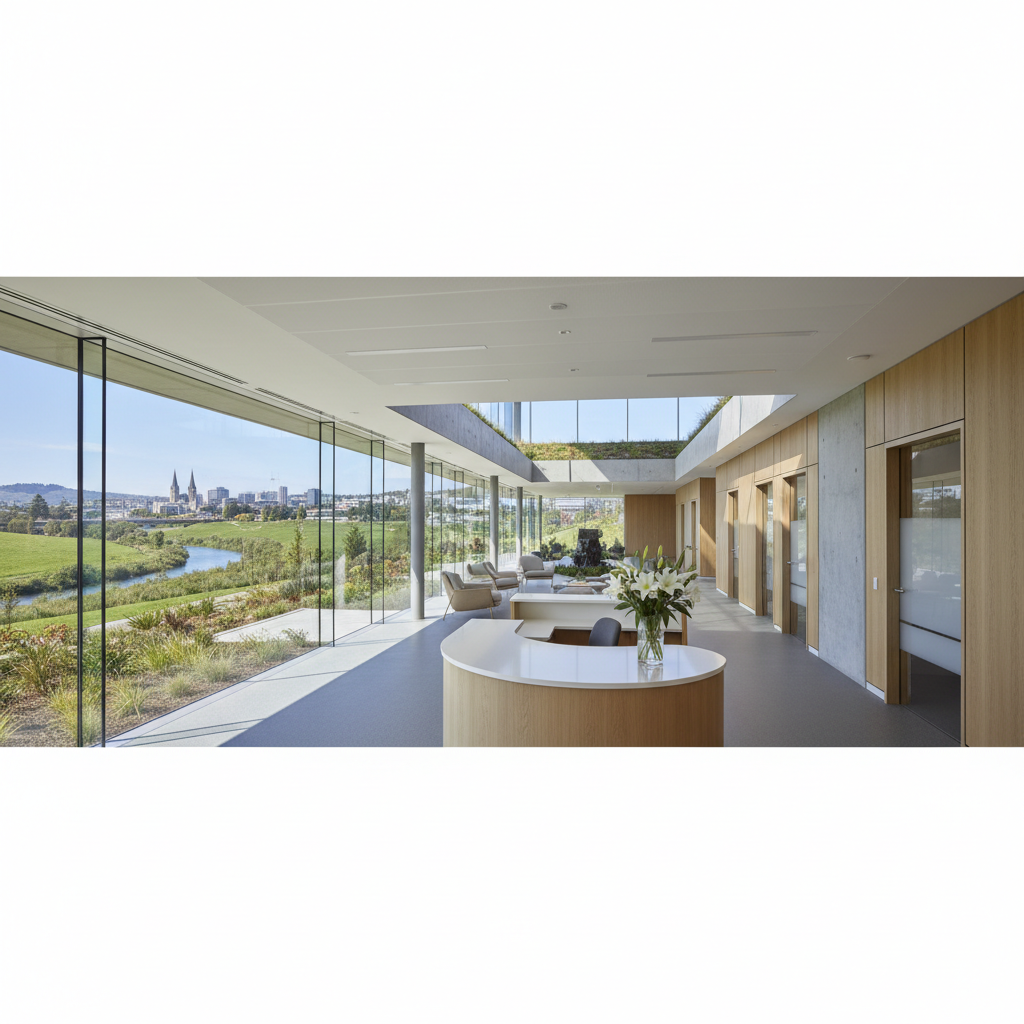
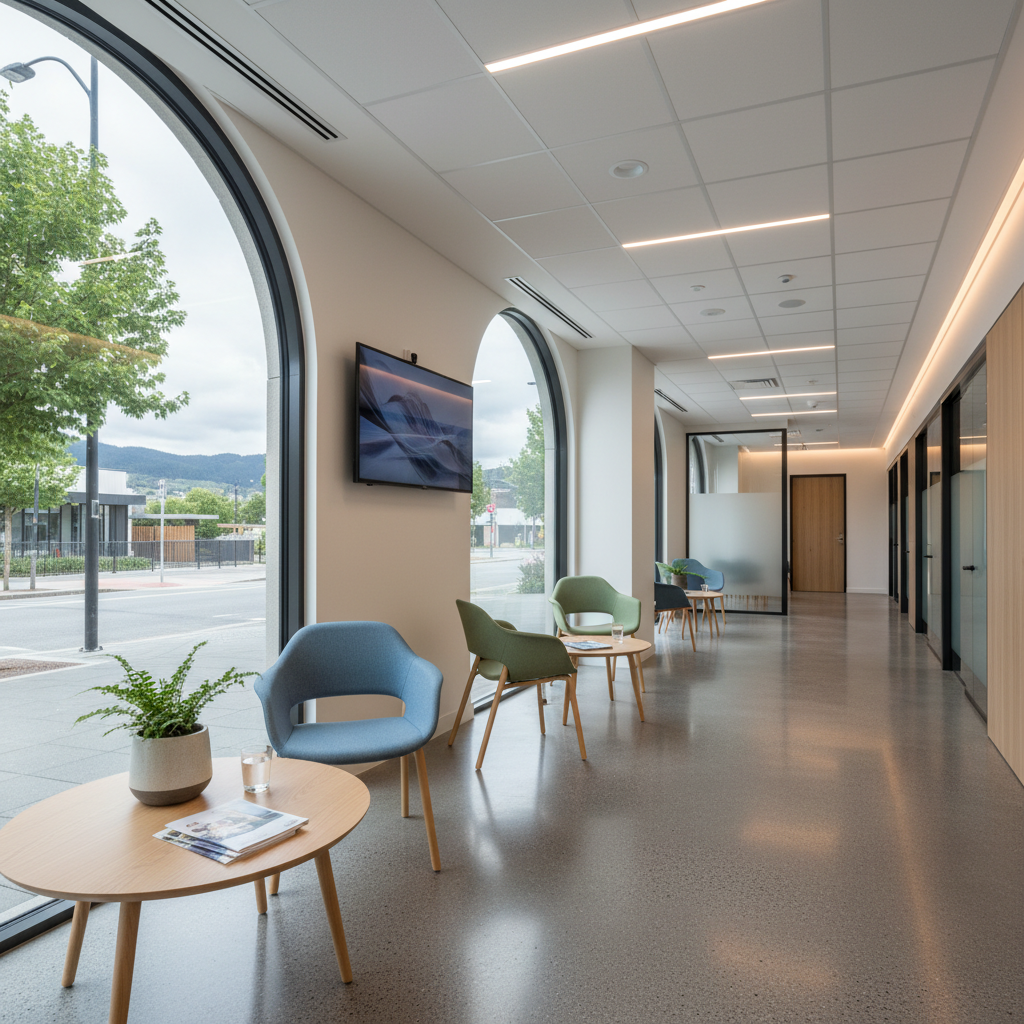
Christchurch has taken a significant step in bolstering its mental health services with the official opening of the South Island’s first crisis recovery café on Colombo Street. The facility offers a crucial alternative for individuals experiencing mental distress, providing a calm, non-clinical environment instead of a busy hospital emergency department.
Mental Health Minister Matt Doocey, who officially opened the service on Tuesday, described it as a major advancement in improving access to mental health and addiction support. The café is designed as a walk-in service, meaning people do not need a referral to access support from trained peer workers who have their own lived experience of mental health challenges and recovery. This model aims to reduce the pressure on strained emergency departments and provide more appropriate care for those in crisis.
The initiative acknowledges that a hospital setting is often not the ideal place for someone in psychological distress. "Instead of a brightly lit, busy ED, people now have the option to go to a calm, peer-led, non-clinical space for support," Mr Doocey said. The café provides an immediate, compassionate response, a stark contrast to what can be a lengthy and stressful wait in an emergency room.
This service builds upon the introduction of peer support workers in Christchurch Hospital’s emergency department last year, which has already proven successful. The city has long grappled with the mental health fallout from the 2011 earthquakes, which left a lasting impact on the community's wellbeing and placed ongoing strain on health services. The new café represents a proactive community-based approach to care.
Peer-led support a key feature
The core of the café's model is its peer-support framework. The service will be run by a partnership of three trusted local providers: Purapura Whetu, Odyssey House Trust, and Stepping Stone Trust. These organisations have extensive experience in delivering mental health and addiction services in Christchurch, including the existing peer support services in the city's emergency department.
Staffing the café with people who have personal experience of mental distress is a deliberate choice designed to foster connection and trust. Maree Hansen, project operations manager from Purapura Whetu, said this shared experience is something that cannot be replicated through clinical training alone.
You can actually talk with others and say, 'Hey, this helped me when I was feeling like this and this might help you.' You can't learn that out of a book. You have to experience that.

This approach helps to break down the power imbalance often felt in clinical settings, allowing for a more genuine and empathetic connection. The support workers can provide both immediate comfort and practical guidance, helping guests navigate their feelings in a safe and understanding space.
Community input shapes the service
The design and concept of the Christchurch café were heavily influenced by the very people it aims to serve. Around 100 local residents with their own experiences of using mental health services provided valuable input to ensure the space and its operations would meet the community's needs effectively.
Mr Doocey highlighted the importance of this co-design process. "That means a lot," he said. "What we want to do is to make sure when we think about local needs, they are serviced well. And that's what services like this provide." This deep community involvement is intended to make the café a more welcoming and effective resource from day one.
The service will also focus on creating pathways to further care. "We know wraparound support is so important, having someone who can help refer people on to long-term support can make a real difference and help people feel less overwhelmed when seeking support,” Mr Doocey explained. This function is vital for ensuring that people receive not just immediate crisis care, but also sustainable, long-term support for their recovery.
Part of a national strategy
The Christchurch café is the third of its kind to open in New Zealand, following successful sites in South Auckland and Whanganui, with another operating in Wellington. The government has committed to a national rollout of eight peer-led crisis services as part of a broader strategy to improve mental health crisis response.
The model has already shown promising results. The South Auckland café has recorded more than 250 visits since opening in January, with most people finding the service through word of mouth. Another café in Wellington is seeing up to 300 people per quarter. Statistics like these demonstrate a clear community need for alternatives to EDs, which can often be overburdened. In Tauranga, landowners fear law changes will delay housing</a>, a problem these cafés are designed to address.
The initiative is part of a wider crisis response package that includes more clinical workers in crisis assessment teams and an expansion of peer support roles in different settings. "Through community partnerships like this, we can provide more options for support outside emergency departments and better support New Zealanders," Mr Doocey stated.
The Christchurch crisis recovery café is expected to officially open its doors to clients in early May and will operate from 1pm to 9pm on Mondays, Wednesdays, and Fridays. Its success will be closely watched as a model for other regions across the South Island, such as those served by Tūhura Otago Museum and its surrounding communities.